

YouTube, the world’s leading video-sharing platform, has emerged as a juggernaut within Alphabet's vast ecosystem, generating a monumental $50 billion in revenue. This success story highlights the power of digital content and the exceptional growth of YouTube as it continues to redefine the media landscape and contribute significantly to Alphabet's overall financial success. The journey of YouTube, from its humble beginnings to its dominant position today, is a testament to the company’s visionary strategies and innovations.
YouTube's Evolution: From a Startup to a Billion-Dollar Platform
Founded in 2005 by three former PayPal employees—Chad Hurley, Steve Chen, and Jawed Karim—YouTube was initially conceived as a platform to allow users to upload and share videos. Google acquired the platform in 2006 for $1.65 billion, a price that seemed steep at the time but would later prove to be a visionary move. What Google saw in YouTube was not just the ability to upload videos, but the potential to revolutionize how people consume and interact with video content online.
Over the years, YouTube evolved from a user-generated content hub to a multi-faceted platform that serves content creators, advertisers, and viewers across the globe. In addition to offering a space for people to share personal videos, the platform introduced features like monetization, live streaming, YouTube Originals, and YouTube TV. These developments further expanded the platform’s reach, making it a central player in the entertainment and advertising industries.
Revenue Growth: The $50 Billion Milestone
The $50 billion milestone, achieved in 2024, represents a significant achievement for YouTube and Alphabet. The platform's revenue comes primarily from three sources: advertising, YouTube Premium (subscription services), and YouTube TV.
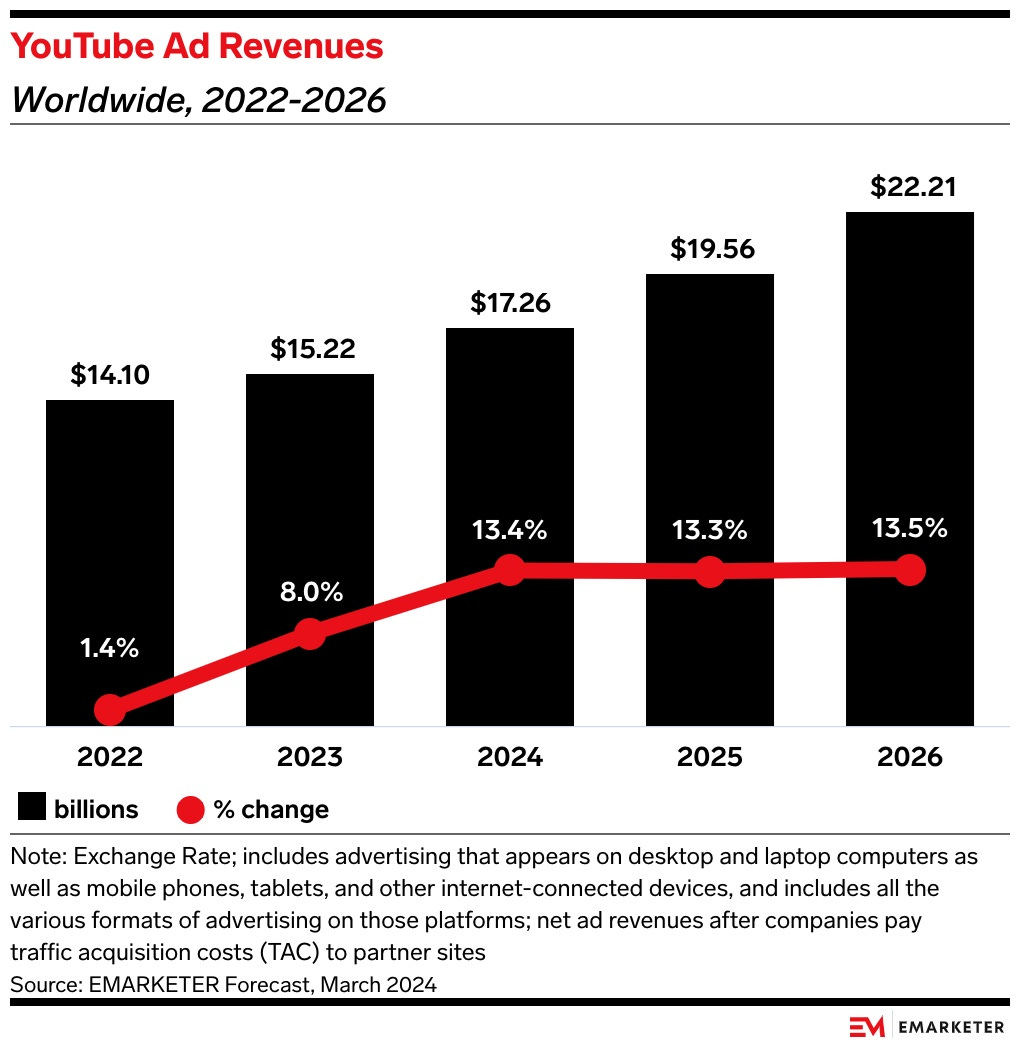
The bulk of YouTube’s revenue comes from its advertising model, which leverages Google’s advertising technology to connect brands with targeted audiences. With over 2 billion logged-in users each month, YouTube’s vast audience offers advertisers a unique opportunity to engage consumers with video ads tailored to their preferences. As video content continues to dominate digital media, advertisers flock to the platform to reach a diverse and global audience. In 2024, YouTube’s ad revenue surpassed $30 billion, driven by the growing popularity of short-form content such as YouTube Shorts, and the increase in connected TV views.
A Focus on Content Creators
One of YouTube’s most important innovations has been its ability to empower content creators, making it possible for individuals to turn their passion into a full-time career. The platform's monetization tools, such as AdSense and the YouTube Partner Program, enable creators to earn revenue from ads shown on their videos. Some of the world’s top YouTubers, like MrBeast (Jimmy Donaldson) and PewDiePie (Felix Kjellberg), have turned their channels into multimillion-dollar businesses. These success stories illustrate YouTube’s immense potential to generate income not just for Alphabet, but for the millions of creators who rely on the platform for their livelihoods.
Swift & Wise: Bridging Borders, Connecting Businesses

Swift & Wise: Bridging Borders, Connecting Businesses
MrBeast, for example, is known for his elaborate and expensive challenges, which have earned millions of views. His YouTube channel alone has over 250 million subscribers, and his revenue streams include ads, sponsorships, and merchandise. YouTube’s ability to nurture such high-profile creators is one of the key drivers behind its $50 billion revenue achievement.
In addition to large-scale creators, YouTube also supports a diverse range of content, from beauty tutorials to educational channels, cooking shows, and fitness influencers. This variety of content makes YouTube a go-to platform for people of all interests and backgrounds, further contributing to its massive revenue.
Instagram Invites You to Earn Money on Threads

Instagram is rolling out a new program that allows users to earn money by sharing their expertise on Threads. This new initiative is aimed at encouraging users to create high-quality, engaging content that will attract a large audience.
YouTube Premium and YouTube TV
While ad revenue remains YouTube’s primary income source, YouTube Premium and YouTube TV also play a crucial role in diversifying the platform’s revenue streams. YouTube Premium, which allows users to enjoy an ad-free experience and access exclusive content, has attracted millions of subscribers worldwide. Similarly, YouTube TV, a paid live TV service that offers cable-like content with a focus on sports, news, and entertainment, continues to grow in popularity.
By offering both free and paid services, YouTube caters to a wide array of users, creating multiple pathways to profitability. The introduction of YouTube Shorts, the platform's answer to TikTok, has also contributed to increased engagement and new revenue opportunities, particularly among younger audiences.
The Future of YouTube
Looking ahead, YouTube’s trajectory appears even more promising. The platform is poised to continue growing with advancements in AI, better content recommendations, and further integration of immersive experiences like virtual reality and augmented reality. As more businesses embrace online video content and advertisers increasingly turn to platforms like YouTube, the company’s revenue is expected to continue its upward momentum.
In conclusion, YouTube’s $50 billion revenue milestone is a reflection of its strategic investments, its role as a content creation and consumption powerhouse, and its unwavering ability to innovate in an ever-changing digital landscape. As it continues to redefine entertainment and advertising, YouTube is likely to remain a major contributor to Alphabet’s financial success for years to come.
